
All adults (including women who are pregnant or breastfeeding) should consider taking a daily vitamin D supplement during autumn and winter. If you get little sunlight, you may need to take vitamin D supplements throughout the year.
Vitamin D is sometimes called the 'sunshine vitamin' because your body makes it when sunlight reaches your skin. It's also found in foods such as oily fish, egg yolks and some fortified breakfast cereals. But during the darker months, it can be difficult to get all the vitamin D you need from food alone. That's where vitamin D supplements can come in handy.
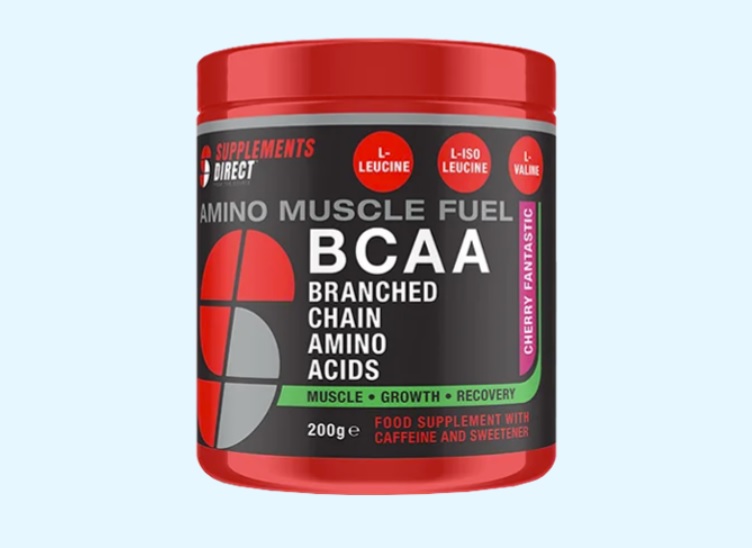
Branched-chain amino acids (BCAAs) are nutrients that the human body uses to build proteins for muscle tissue. We get all the BCAAs we need from the food we eat, but some athletes, bodybuilders and gym-goers take BCAA supplements to give their muscles additional support during and after workouts.
Scroll down to learn more about branched-chain amino acids, or select one of the following headings to skip ahead:

Omega-3 fatty acids are important nutrients that support several important processes within your body. Most notably, long-chain omega-3 fatty acids help to keep your heart healthy. Oily fish is the richest natural source of omega-3, but omega-3 supplements offer a convenient way to top up your intake.
Keep scrolling to learn more about omega-3 fatty acids, or click one of the following headings to skip ahead:
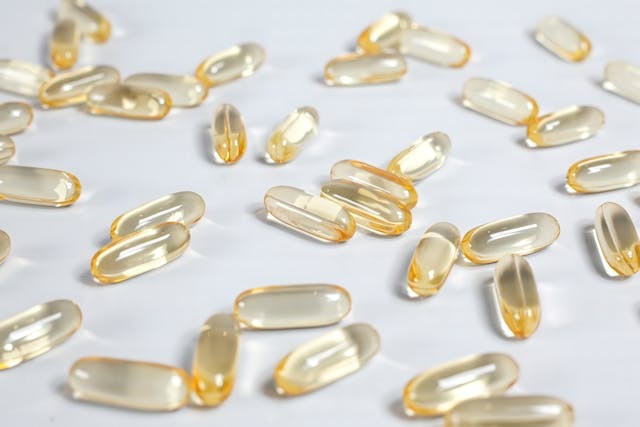
Fish oil and krill oil are two of the most popular omega-3 supplements on the market – but which one should you take?
If you've been comparing fish oil vs krill oil, you've probably noticed that they appear to offer similar benefits. But there are a few key differences to be aware of.

Shilajit is a naturally-occurring substance that’s found mainly in the Himalayas and other mountainous regions of Asia. It has long been used in traditional ayurveda therapies throughout India and Nepal, and is known to help boost energy levels, brain function and general wellness – but is shilajit good for brain fog? Yes! Read on to learn about how shilajit supplements can improve your memory and reduce brain fog…

Creatine supplements are very popular amongst athletes and gym goers for improving muscle mass, performance and recovery; however, information on what size dosage you need can vary on who you ask. To help clear things up, we have made this blog that will go through how much creatine you should take per day and when you should take your creatine capsules. Let’s get started!

Collagen is the body’s most abundant protein and helps to provide structure, strength and elasticity to skin, bones, tendons, ligaments and connective tissues.
As we age, our collagen production naturally declines – in fact, after the age of 30 our natural collagen output slows down by around 1% per year! This leads to wrinkles, skin sagging, joint problems, brittle nails and hair alongside a range of other symptoms.


Magnesium is a vital mineral that the body uses for a variety of functions, including muscle and nerve function, blood pressure regulation and blood sugar control – but can magnesium also help with sleep? Potentially yes! Read on to learn about how magnesium can improve your sleep and reduce fatigue…