






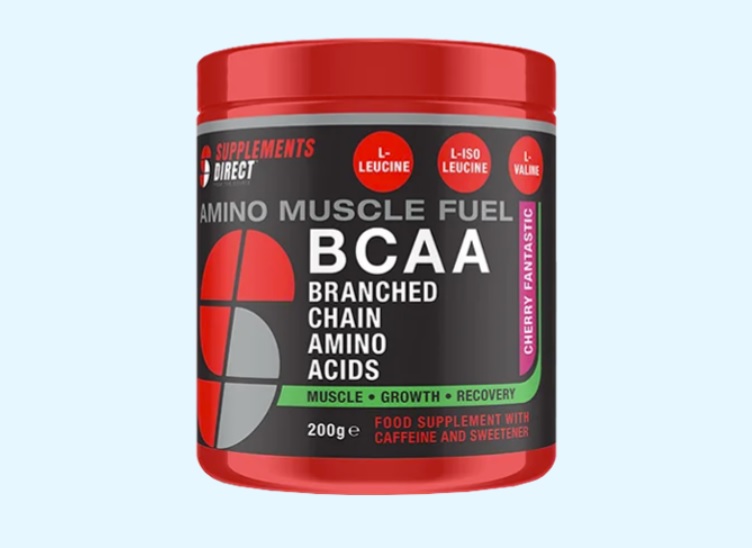
Branched-chain amino acids (BCAAs) are nutrients that the human body uses to build proteins for muscle tissue. We get all the BCAAs we need from the food we eat, but some athletes, bodybuilders and gym-goers take BCAA supplements to give their muscles additional support during and after workouts.
Scroll down to learn more about branched-chain amino acids, or select one of the following headings to skip ahead:
- What exactly are BCAAs?
- What do branched-chain amino acids do?
- Which foods contain BCAAs?
- Should I take BCAA supplements?
What exactly are BCAAs?
BCAAs are branched-chain amino acids, so named for their distinctive 'branched' chemical structure. There are three BCAAs:
- Leucine
- Isoleucine
- Valine
Your body cannot produce these essential amino acids itself, so you need to get them from food or supplements.
What do branched-chain amino acids do?
Here are some of the benefits that BCAAs provide for your body:
> Support muscle protein synthesis
Leucine helps to switch on the process of muscle protein synthesis, which is how your body builds and repairs muscle proteins. Note that leucine can't do this whole job alone, which is why branched-chain amino acids must be supported by an adequate overall protein intake.
> Provide fuel during exercise
While carbohydrates remain the body's main fuel for most workouts, your muscles can use BCAAs as an additional energy source during exercise, particularly in long or demanding training sessions.
> May help with post-workout soreness
Some research has suggested that taking BCAAs around strenuous exercise may help to reduce muscle soreness or certain markers of muscle damage. Results vary between studies, though, and BCAAs are not a shortcut around sensible training, good nutrition, hydration and rest.
Which foods contain BCAAs?
Most people already get the BCAAs they need by eating protein-rich foods like:
- Meat and fish
- Eggs
- Milk and other dairy products
- Soya
- Beans, lentils and other legumes
These foods also provide the wider range of essential amino acids your body needs.
If you regularly eat enough high-quality protein for your needs, you may already be getting plenty of BCAAs. A supplement can still be a convenient option if you train frequently, follow a diet that makes protein planning more difficult, or simply want something that can more easily be incorporated into your workout routine.
Should I take BCAA supplements?
BCAA supplements may appeal to people who want a convenient, low-fuss way to add leucine, isoleucine and valine to their training routine. They may be particularly useful when exercising between meals or at times when eating protein-rich food is not practical.
However, BCAA supplements are not a replacement for complete protein sources, a balanced diet or proper recovery. If you are pregnant, breastfeeding, taking medication or managing a medical condition, speak to a healthcare professional before using a new supplement.
Want to add BCAAs to your training routine? Explore our range of BCAA supplements and find a straightforward option to suit your goals.