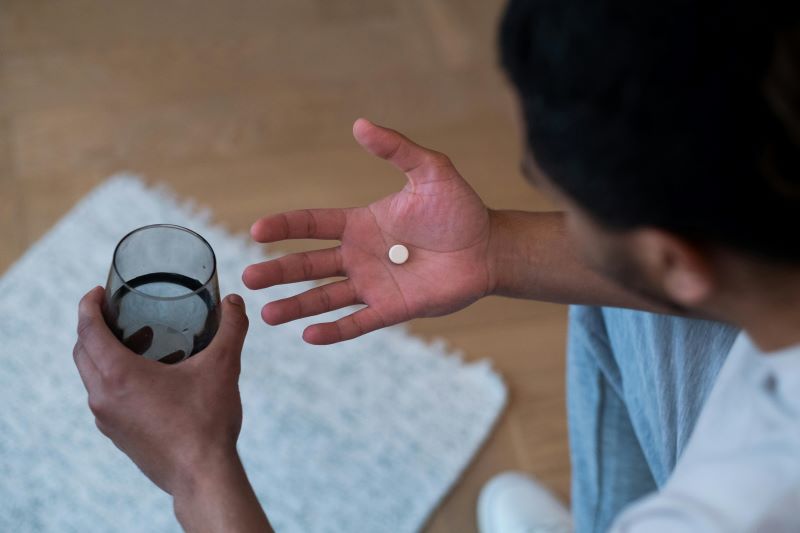
Can Men Take Collagen Supplements?

Collagen is the body’s most abundant protein and helps to provide structure, strength and elasticity to skin, bones, tendons, ligaments and connective tissues.


As we age, our collagen production naturally declines – in fact, after the age of 30 our natural collagen output slows down by around 1% per year! This leads to wrinkles, skin sagging, joint problems, brittle nails and hair alongside a range of other symptoms.


 

More...

READ MORE

Does Magnesium Help You Sleep?

Magnesium is a vital mineral that the body uses for a variety of functions, including muscle and nerve function, blood pressure regulation and blood sugar control – but can magnesium also help with sleep? Potentially yes! Read on to learn about how magnesium can improve your sleep and reduce fatigue…
More...

READ MORE

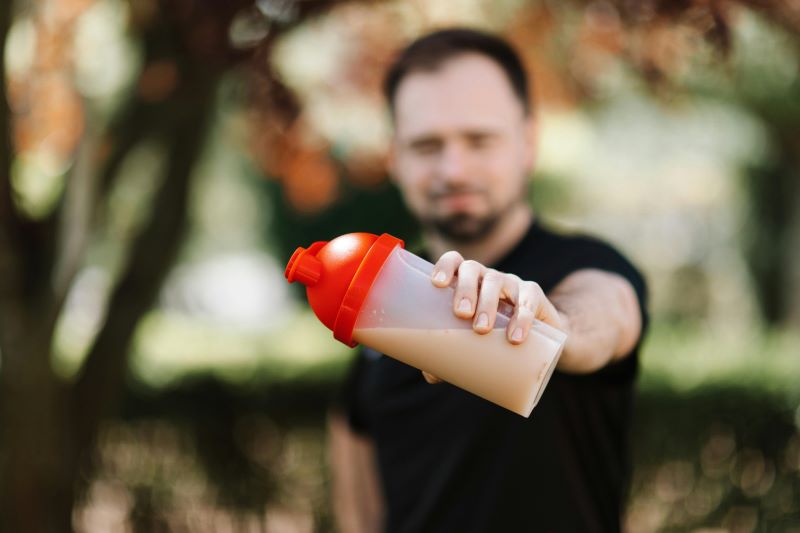
Creatine vs Protein Powder

Both creatine and protein powder are popular supplements for athletes and fitness enthusiasts, but is one more superior than the other? Keep reading this blog to find out more about the difference between creatine vs protein powder so that you can decide which is best for you.

 

Are Creatine and Protein Powder the Same?

No, creatine and protein powder are not the same. While they are both popular supplements for fitness and physical performance, they have different functions and mechanisms within the body.


What Is the Difference Between Creatine and Protein Powder?

Creatine

Creatine primarily enhances strength and power, particularly during short, high-intensity activities. It increases the body’s phosphocreatine stores, which are used to produce ATP, the primary energy source for muscle contractions.

This in turn provides extra energy for your muscles, resulting in improved strength, power and performance during your workouts – hence why creatine is often one of the main ingredients in pre-workout powders like our Pre-Workout Gold Performance!

Athletes who are focused on strength, power and explosive movements are most likely to benefit from creatine supplements.


Protein Powder

Protein powder, on the other hand, simply provides a concentrated source of protein and amino acids, which are the building blocks needed to support muscle repair and growth.

Although many people can meet their protein needs through diet alone, protein powder can be a more convenient option after workouts for those who may be struggling to meet their daily protein requirements.

Individuals who are aiming to increase their muscle mass and improve recovery after workouts are most likely to benefit from protein powder.

In summary, creatine powder is generally better for short-term, high-intensity performance gains, whereas protein powder is more important for long-term muscle growth and recovery.


Can You Take Creatine and Protein Powder Together?

Yes, it is generally considered safe and convenient to take creatine and protein powder together. Creatine can help you push harder in your workouts and protein can support your muscle repair and growth afterwards.


If you’re struggling to decide between creatine and protein powder, consider what your fitness goals are. If you want to grow your muscles, try protein powder, and if you want to boost your strength and power, try creatine powder – or combine the two for optimal performance!


Shop Creatine Supplements


If you have any questions about our premium creatine supplements, please get in touch with us today and member of our team will be happy to help!

READ MORE

Does Sea Moss Help Eczema?

Sea moss, also known as Irish moss, is a type of red algae that grows along the Atlantic coasts of North America and Europe. It is rich in vitamins, minerals and antioxidants that can help support thyroid function, immune function and gut health – but can sea moss help with skin conditions like eczema? Potentially yes! Keep reading this blog to learn about the benefits that sea moss can have for your skin!
 More...

READ MORE

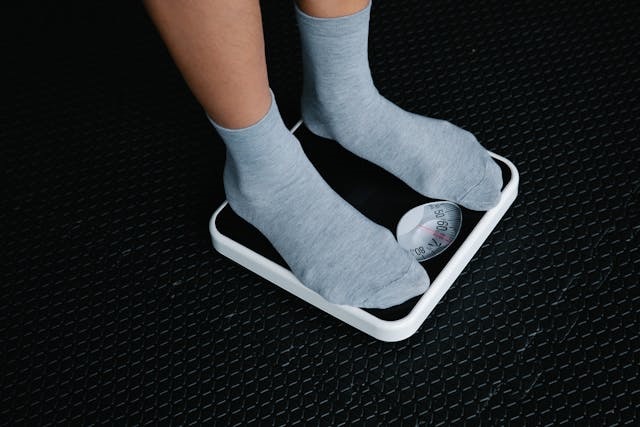
Weight loss - standing on bathroom weighing scales

Apple cider vinegar is a fermented product made from crushed apples that contains acetic acid, giving it a sour taste. Research suggests that apple cider vinegar may have a range of health benefits, including lowering blood sugar levels, reducing cholesterol and helping to kill harmful bacteria – but can apple cider vinegar help with weight loss? Potentially yes! Read on to learn more about how apple cider vinegar can help you lose weight…
 More...

READ MORE

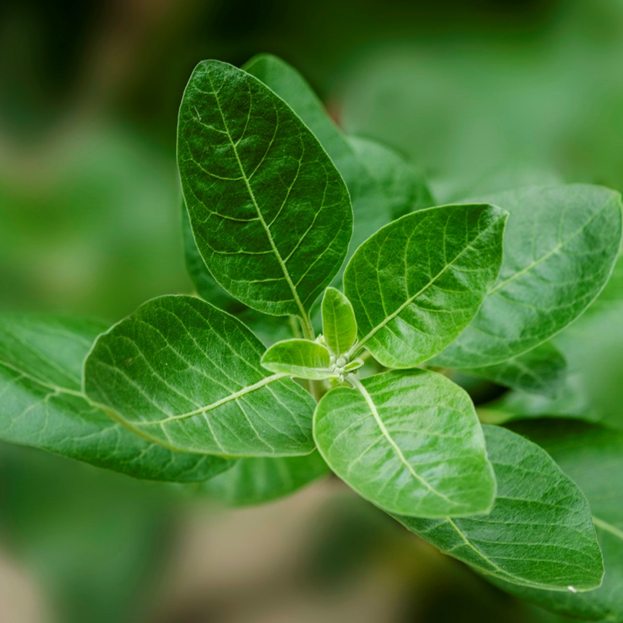
Can Ashwagandha Help with Anxiety?

Ashwagandha, also known as Indian Ginseng, is an evergreen shrub that grows in Asia and Africa. It has been used for centuries as an “adaptogen” in Ayurvedic medicine, with “adaptogen” referring to the class of natural substances that are believed to help the body cope with stress and restore balance.

More...

READ MORE

Does Zinc Help with Hair Growth?

Zinc is an essential trace mineral that is crucial for many of the body's normal functions and systems, including the various processes involved in hair follicle function and hair growth. This means that, particularly for individuals with zinc deficiency, zinc supplements can help to promote hair growth and reduce hair loss. Keep reading to find out the other benefits that zinc can have for your hair!


More...

READ MORE

Get in touch to learn more about our training courses!

First Name *
Surname *
Telephone Number *
E-mail address *
Ask A Question *
 
Security Character Security Character Security Character Security Character Security Character Security Character
Enter Letters (No Spaces) *